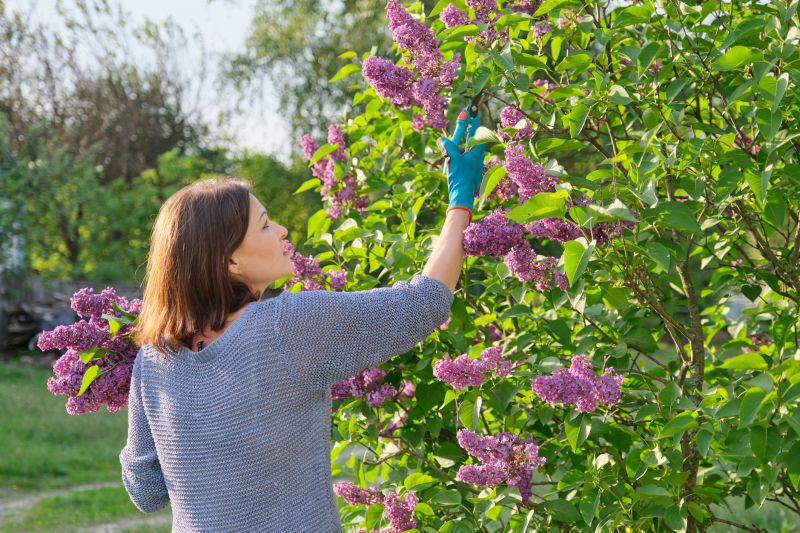
Lilac Trimming Service in Ventura County, CA
Lilac trimming services involve carefully shaping and pruning lilac bushes to promote healthy growth and maintain an attractive appearance. This service typically covers various projects, including shaping overgrown shrubs, removing dead or damaged branches, controlling size and shape, and encouraging abundant flowering. Homeowners often request lilac trimming to enhance curb appeal, prevent branches from becoming unruly, and ensure the plants remain healthy and vibrant throughout the growing season.
Before requesting lilac trimming, property owners usually want to understand the best timing for pruning, which is generally after the flowering period, as well as the appropriate techniques to avoid damaging the plant. It’s also helpful to consider the current condition of the lilacs, including any signs of disease or stress, to determine if additional care or treatment is needed. Clear communication about desired outcomes, such as shaping or size reduction, can help ensure the service meets expectations.
Many property owners in Ventura County, CA look into Lilac Trimming Service for repairs, replacements, upgrades, and appearance-related improvements.
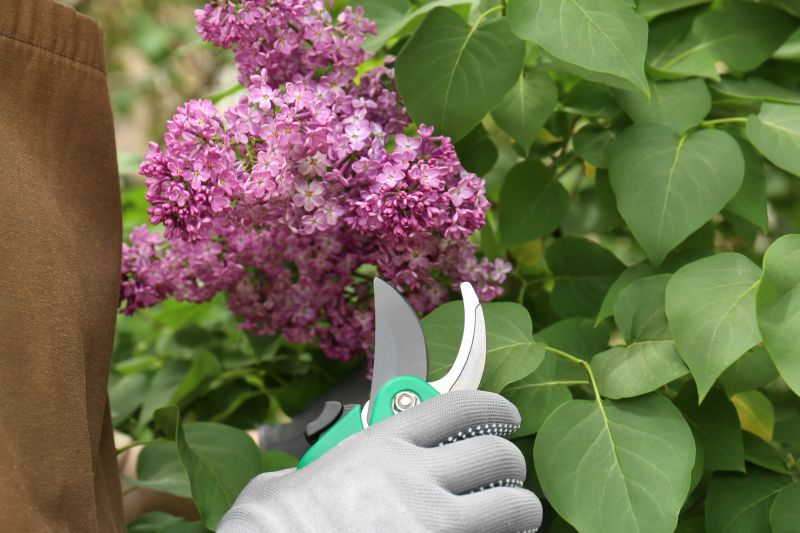
Enhancing Curb Appeal
Well-maintained lilacs add beauty and charm to residential and commercial properties in ventura county.

Healthier Plant Growth
Regular trimming encourages healthy growth and helps prevent disease in lilac bushes.
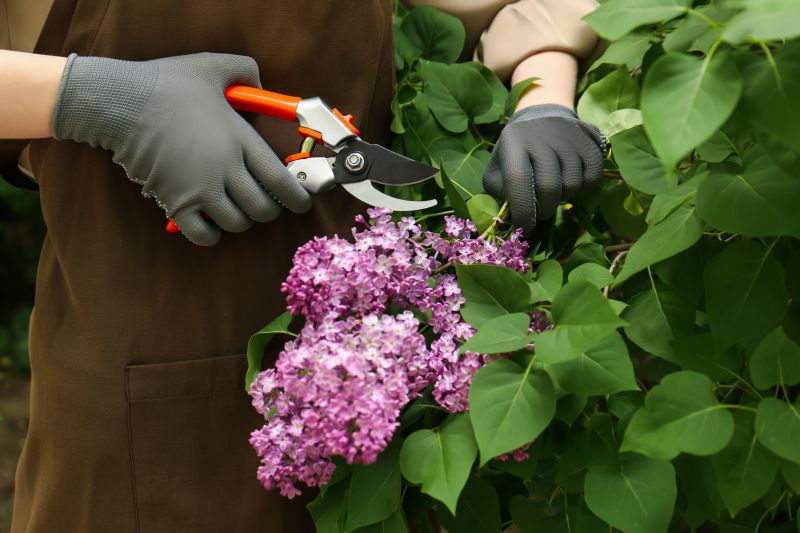
Seasonal Maintenance
Proper pruning during the right seasons keeps lilacs vibrant and promotes abundant flowering each year.
Lilac Trimming Service in Ventura County, CA
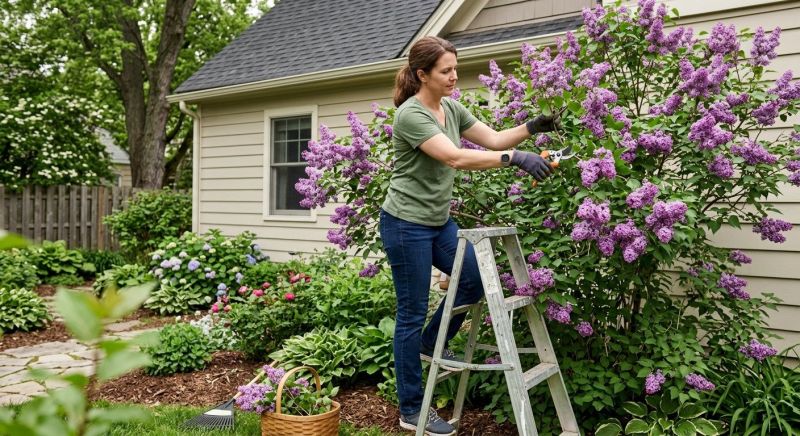
Lilac trimming services involve carefully shaping and pruning lilac bushes to promote healthy growth and maintain an attractive appearance. This service typically covers various projects, including shaping overgrown shrubs, removing dead or damaged branches, controlling size and shape, and encouraging abundant flowering. Homeowners often request lilac trimming to enhance curb appeal, prevent branches from becoming unruly, and ensure the plants remain healthy and vibrant throughout the growing season.
Before requesting lilac trimming, property owners usually want to understand the best timing for pruning, which is generally after the flowering period, as well as the appropriate techniques to avoid damaging the plant. It’s also helpful to consider the current condition of the lilacs, including any signs of disease or stress, to determine if additional care or treatment is needed. Clear communication about desired outcomes, such as shaping or size reduction, can help ensure the service meets expectations.
Many property owners in Ventura County, CA look into Lilac Trimming Service for repairs, replacements, upgrades, and appearance-related improvements.
Common Lilac Trimming Service Jobs
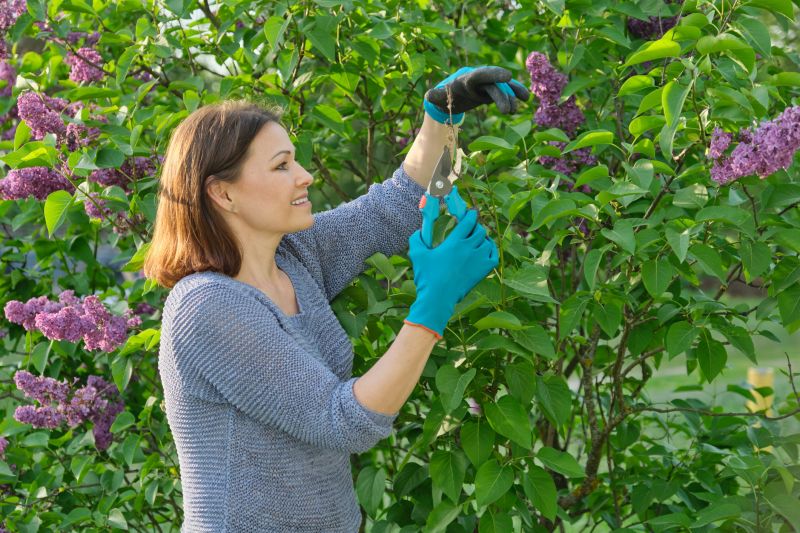
Lilac Trimming - shaping and pruning lilacs to promote healthy growth and vibrant blooms.
Seasonal Pruning - removing dead or overgrown branches to maintain plant health and appearance.
Flower Bed Maintenance - trimming lilacs to enhance flower production and overall aesthetics.
Hedge Shaping - creating neat, uniform borders with precise lilac trimming.
Thinning and Shaping - reducing dense growth to improve air circulation and plant vitality.
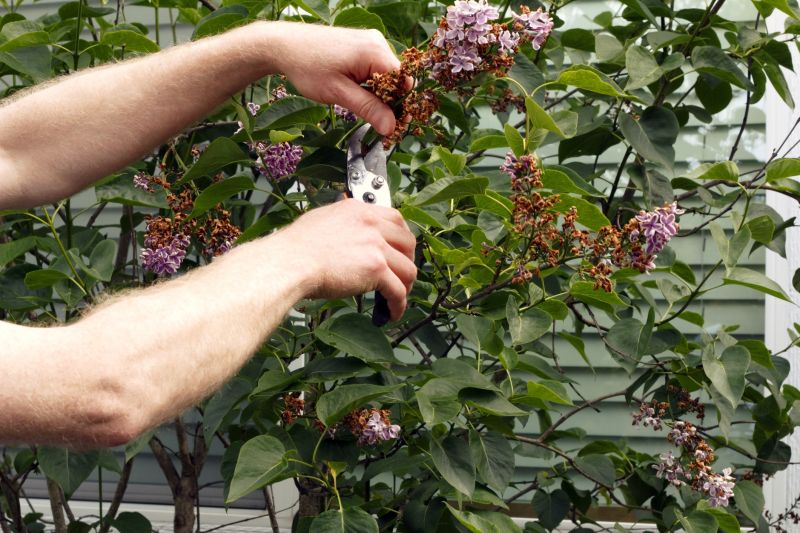
Deadheading Services - removing spent flowers to encourage new blooms and extend flowering period.

Lilac Trimming Service Questions
What is lilac trimming? Lilac trimming involves pruning the shrub to remove dead or overgrown branches, encouraging healthy growth and maintaining shape.
When is the best time for lilac trimming? The ideal time for trimming is right after the lilacs have finished blooming in late spring or early summer.
Why should lilacs be trimmed regularly? Regular trimming helps promote better flowering, prevents disease, and keeps the shrub looking tidy.
What tools are needed for lilac trimming? Pruning shears or loppers are typically used to carefully cut back branches without damaging the plant.
Request Lilac Trimming Service in Ventura County, CA
Use the quote form on this page to share the basics of your project and request more information for the type of work you need.